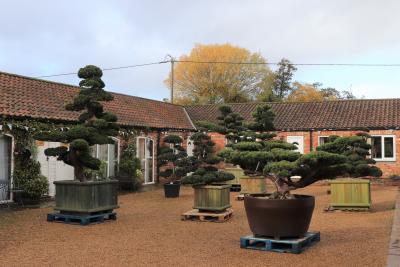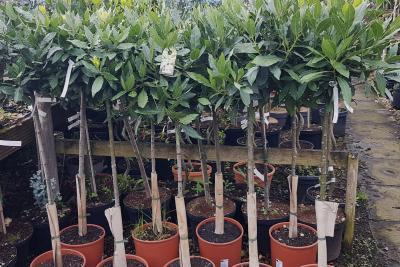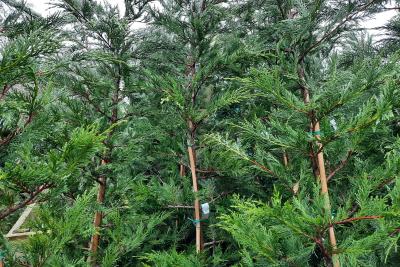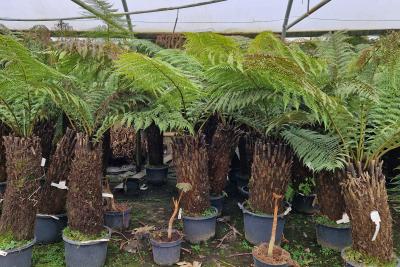
Here's some helpfull tips when planting your Trees: Soak the roots before planting : Avoid planting if there's a frost : Place your tree in a sunny/sheltered position. Help the roots to stimulate and establish more quickly by mixing in some farmyard manure.
Soil improver: organic soil improvers like farmyard manure open up the soils structure, breaking up heavy clay and helping free-draining soils hold on to moisture.
We can deliver trees within a 35 mile radius of the nursery.

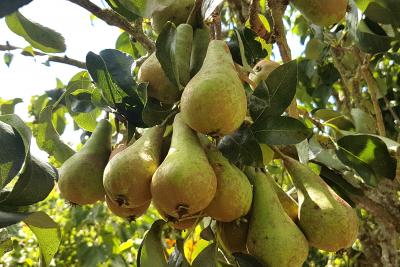
A dessert pear with pale green fruits tinged a golden russet. The flesh is creamy white, firm and sweet. Ready in late October and November. Heavy cropper. Deciduous.
The most popular pear. Conference is partly self-fertile and produces long, narrow juicy though quite hard pears. Excellent for the north of England. Dessert pear. Pick late September, use by December.
The most popular pear. Conference is partly self-fertile and produces long, narrow juicy though quite hard pears. Excellent for the north of England. Dessert pear. Pick late September, use by December.
The Queen of pears as regards to flavour. It requires a sheltered sunny site preferably with a wall behind with a pollination partner close by. Late pollination. Pick in October, use by December.
A desert pear with pale green fruits with a coating of russet. The flesh is white and good flavoured. Ready in late October and November. Deciduous. Foliage colour Green.
Pear tree Kaiser: Thick fruits, elongated. White-yellow pulp, fine and very juicy.
A medium sized, soft, juicy, sweet pear that grows well all over England. Tree growth is compact and upright, Mid-season pollinating.
The most popular dessert pear. Conference is partially self-fertile and produces long narrow juicy though quite hard pears. Excellent for the north of England. Harvest late September. Mid season flowering. Pollination Group B.
The Queen of pears as regards flavour. It requires a sheltered sunny site preferably with a pollination partner close by. Late pollination. Pick in October use by December.
A strong growing pear. Red skin with creamy white juicy flesh. Sweet flavour. Harvest early September. Mid-late season flowering. Pollination Group C.
An old variety with small, sweet, red flushed fruit. Pick September and use by end of October. Pollination Group C.
An old English variety that is both reliable fruiting well each year and good flavour with flesh that melts in the mouth. Medium to large fruits. Known as Bartlett pears in tins. Good in the north in a sheltered position. Mid-season flowering. Pollination Group B.
An excellent, easy to grow early pear for picking from late August, to eat during September. It produces delicious fruit with an attractive and uniform red sheen when they're ripe. Pears are one of the easiest of garden fruit trees with very few pest, disease or other cultural problems.
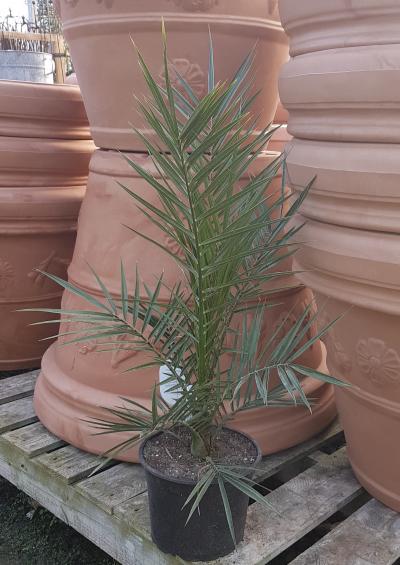
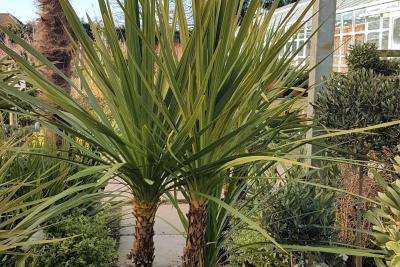
Date palm. Long arching stiff leaves from short stout trunk. Hardy in sheltered sites in the north of England. Evergreen. Prefers winter protection.
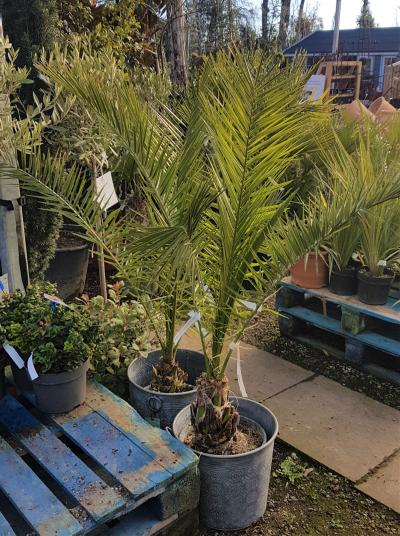
Date palm. Long arching stiff leaves from short stout trunk. Hardy in sheltered sites in the north of England. Evergreen. Prefers winter protection.
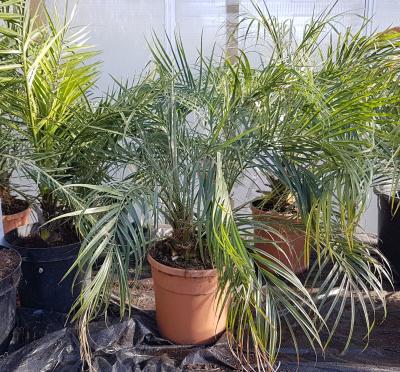
A very attractive fine leaved date palm growing to 6' with slender leaflets giving soft, graceful effect. Not hardy.
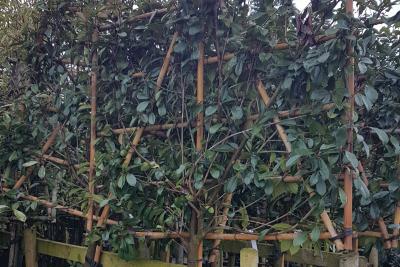
Photinia Dynamo Red is basically an improved type of Red Robin, its spectacular new leaves emerge brilliant red in early Spring with the colour persisting for longer and further flushes of colour through the season.
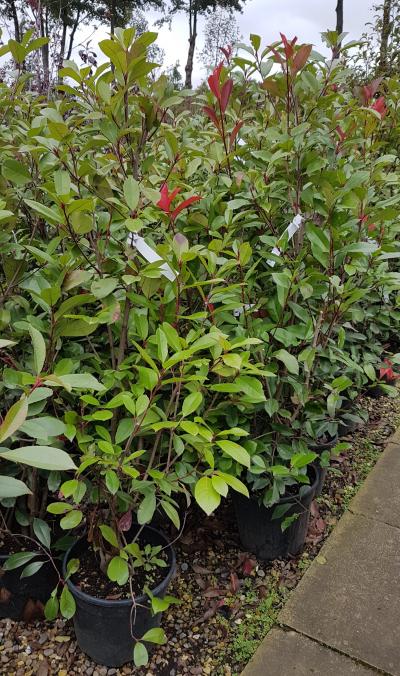
A spreading, evergreen shrub with glossy dark green leaves, red when young. Small white flowers are followed by bright red fruit. Height 4m. Flowers from May to June. Fruits from August Evergreen. Prune hard and feed often.
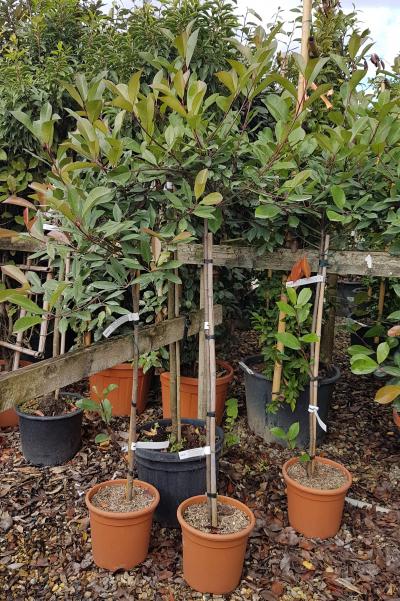
A spreading, evergreen shrub with glossy, dark green leaves, red when young. Small white flowers are followed by bright red fruit. Flowers from May to June. Fruits from August Evergreen. Frost hardy.
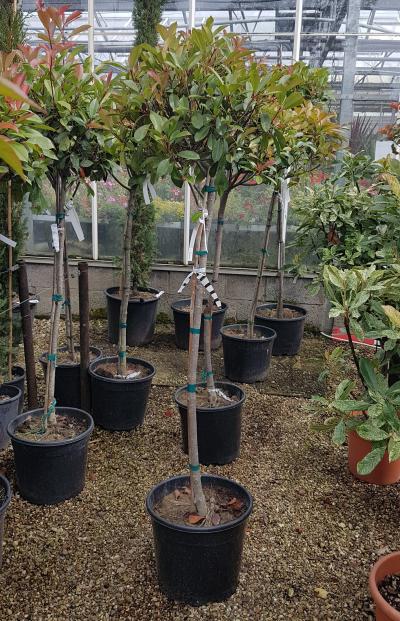
A spreading, evergreen shrub with glossy, dark green leaves, red when young. Small white flowers are followed by bright red fruit. Flowers from May to June. Fruits from August Evergreen. Frost hardy.
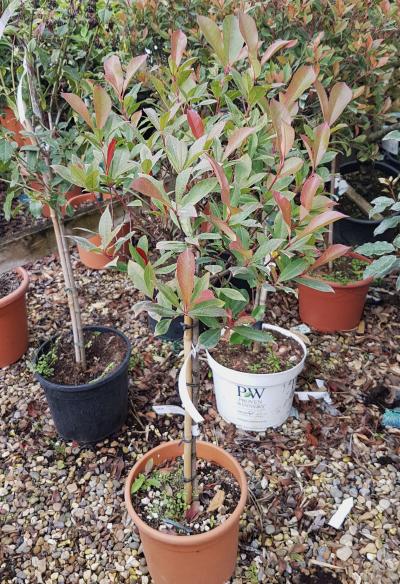
A spreading, evergreen shrub with glossy, dark green leaves, red when young. Small white flowers are followed by bright red fruit. Flowers from May to June. Fruits from August Evergreen. Frost hardy.
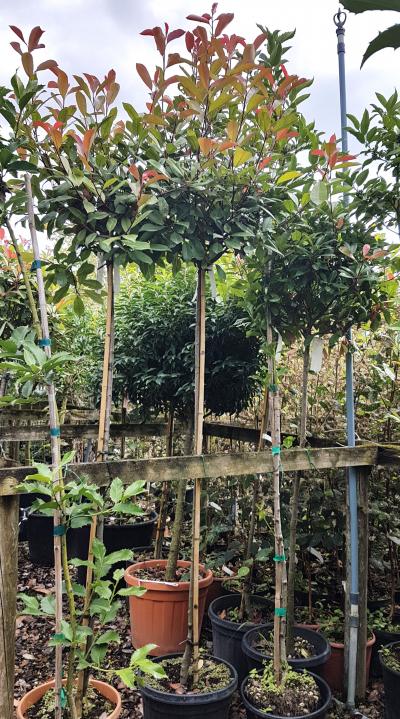
A spreading, evergreen shrub with glossy, dark green leaves, red when young. Small white flowers are followed by bright red fruit. Flowers from May to June. Fruits from August Evergreen. Frost hardy.
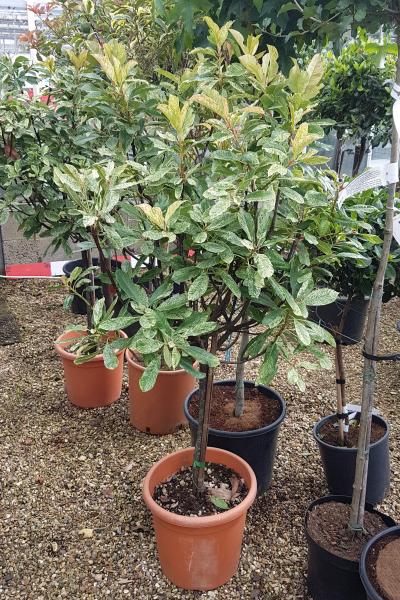
Vivid red stems stand out, and to top things off, the new shoots of Photinia Pink Crispy are a stunning bright pink colour. Forming a bushy, upright habit reaching around 175cms tall with a width of 100cms, this Photinia loves a well drained position in fertile soil in full sun to partial shade. Pink Crispy is also very hardy, disease tolerant and maintenance free.
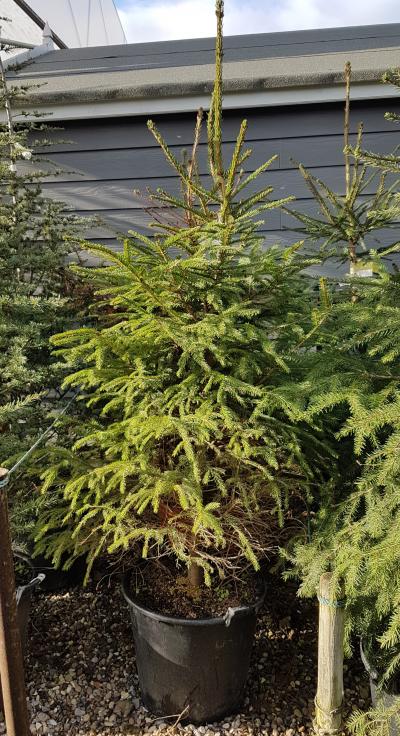
Norway Spruce. A tall coniferous tree of pyramidal habit forming a cylindrical shape in time, with needle-like, dark green leaves. Height 12m. Spread 2m. Evergreen. Hardy. Planting instructions Back-fill with soil mixed with peat and a suitable fertiliser.
Norway Spruce. A dwarf conifer of rounded habit forming a tight bun with needle-like, dark green leaves. Height 1.2m. Spread 2m. Evergreen. Hardy.
A compact coniferous tree of pyramidal habit forming a cylindrical shape in time, with needle-blue green leaves. Evergreen. Hardy.
Dwarf Blue Spruce. A very slow growing dwarf conifer with short blue needles on short dense branches making a blue mound. 1 metre in 10 years forming a globose shape.
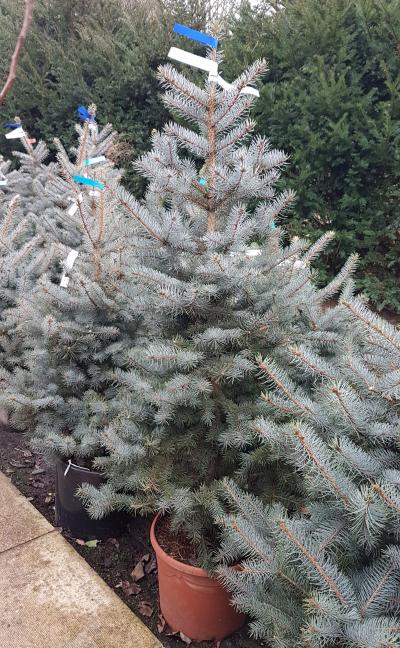
Colorado Spruce. A conical conifer with horizontal, dense branches of silver-blue foliage. Height 3m. Spread 1.5m Evergreen. Hardy. Very slow growing. 1m in 5 years.
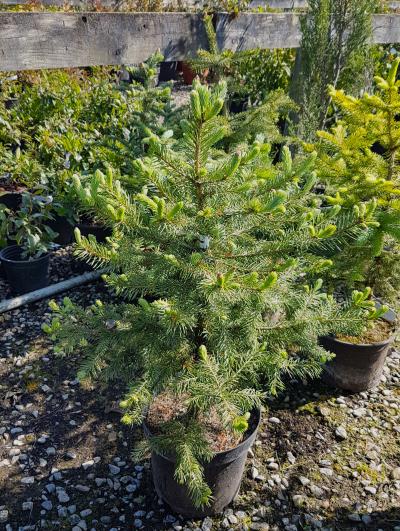
Colorado Spruce. A conical conifer with horizontal, dense branches of steel blue young foliage. Height 15-25m. Spread 5m. Evergreen. Hardy. Useful as a Christmas tree as there is no needle drop.
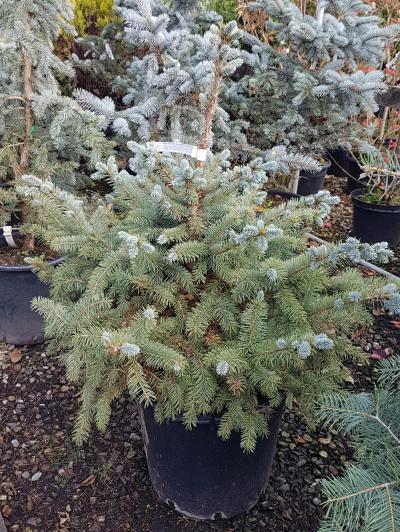
Dense, broad, upright pyramidal shape with closely-spaced, ascending branches and steel blue needle colour. Height 10 to 15 feet. Spread 7 to 10 feet. Full sun.
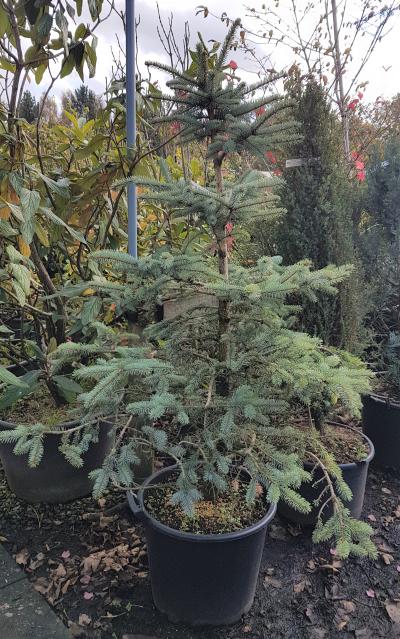
Colorado Spruce. A conical conifer with horizontal, dense branches of steel blue young foliage. Height 15-25m. Spread 5m. Evergreen. Hardy. Useful as a Christmas tree as there is no needle drop.
An attractive dwarf conifer with branches that curve upwards and are smothered in long, slender needles. A low maintenance Bosnian Pine that gradually forms a graceful, conical tree with a dense habit. The greyish-brown bark and small cones will add further interest. Height: 6m (8’). Spread: 2.5m (8').
Pinus mugo 'Benjamin' is a classic dwarf mugo pine which is dense and uniform with short, mid-green needles. It has a cushion to globular shape and grows only 30 cm high in 15-20 years.
Beautiful dwarf conifer which forms a bun shape with an open structure. It provides excellent winter colour, bright rich golden yellow from October to April. A slow growing variety, it has quite a low spreading habit. Ideally suited to exposed planting sites, dislikes shade and prefers free draining soil.
Mon - Fri 8:00am - 5:00pm
Sat & Sun 9:00am - 5:00pm

Any questions? Email us or give us a call on 01904 400092.