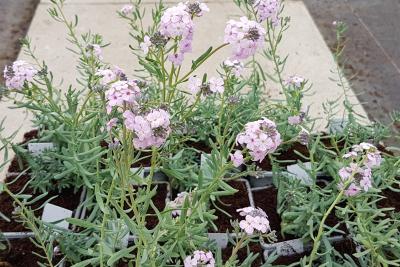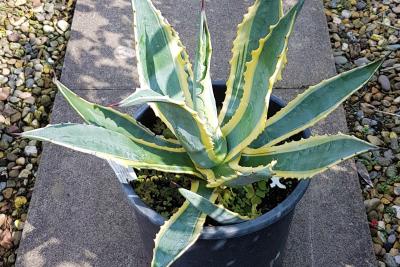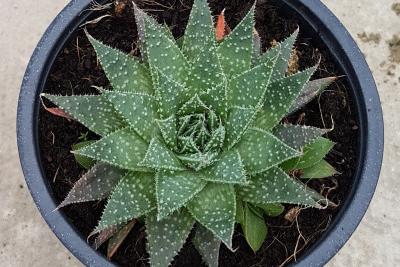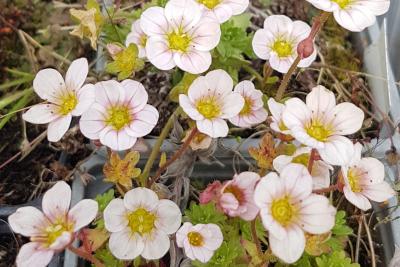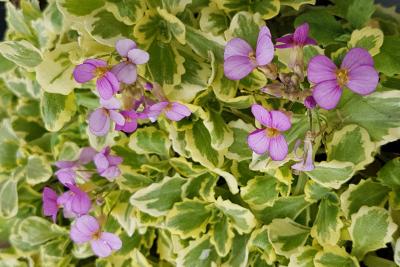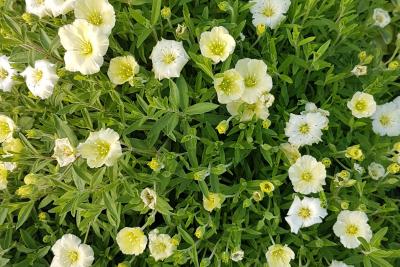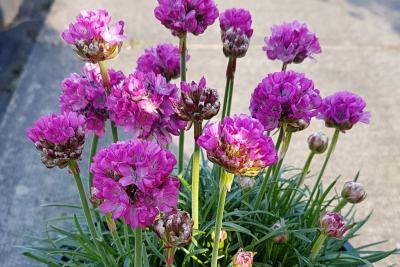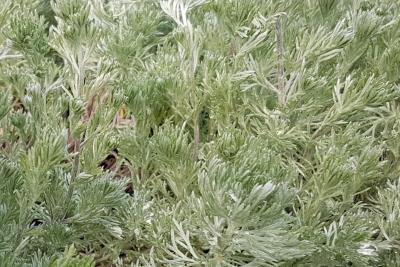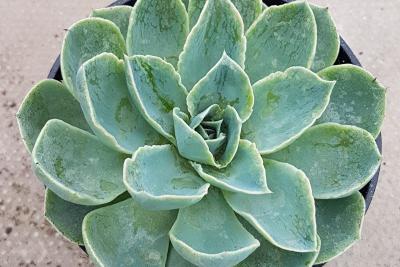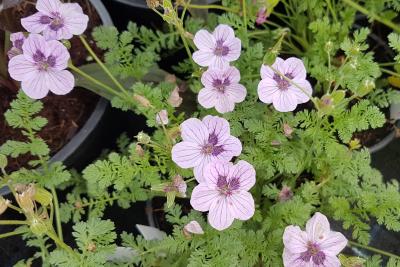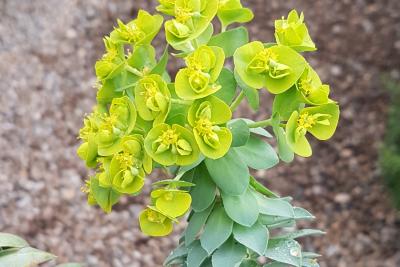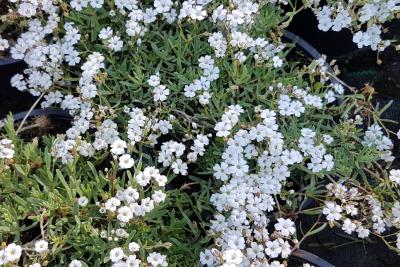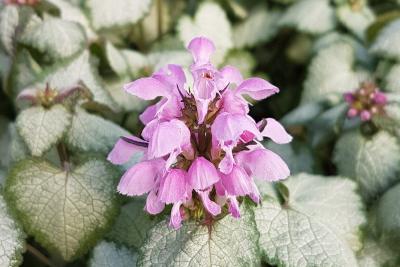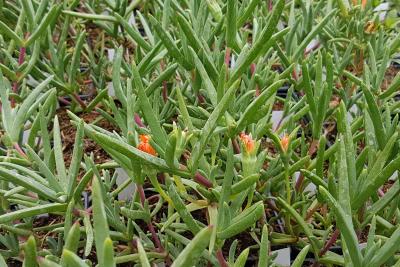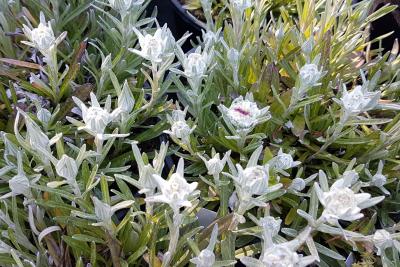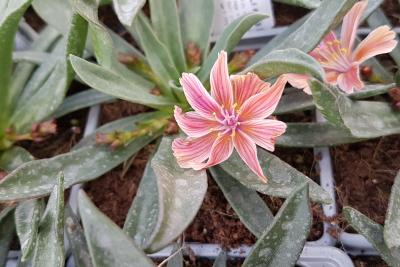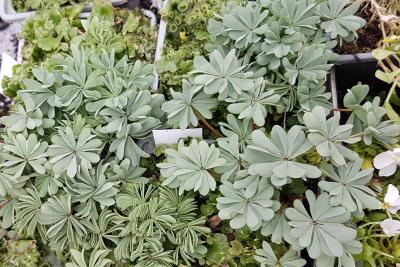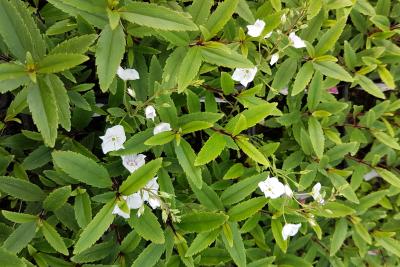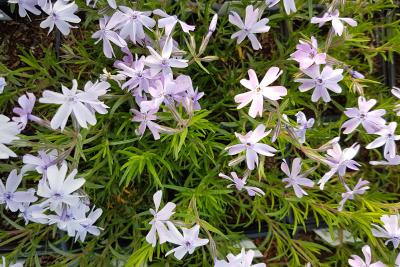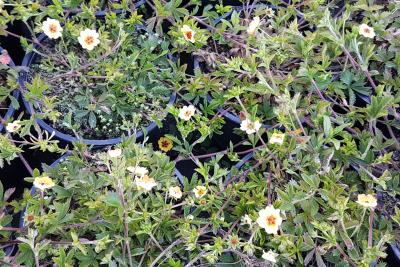
Alpines are plants found in high mountainous areas generally above the natural tree line. They are usually exposed to wide ranging temperatures: very freely draining low nutrient soils: strong winds and high light levels. To survive these conditions they have evolved a number of defences because they are low growing, mat or cushion-forming plants. They are protected against harsh winds and cold: they are dormant under snow; they have extensive root systems to seek out moisture and nutrients: they often have spiny growths to deter grazing animals. These conditions are different to a British winter but provided you bear in mind their natural growing conditions, you can grow them quite successfully.
How to grow Alpines
These dwarf plants offer a huge choice of flower colour and also of shape, foliage and a diversity of usage. Used in a rockery, spectacular displays can be achieved with the colour and form of the plants complimenting the rocks. They also make good container plants on patios and are good in old sinks and troughs and raised beds. Some will grow well in hanging baskets and in crevices in walls, or paving stones. Types such as Thyme can be planted en-masse to give a colourful and scented carpet.
Alpines in containers
Alpines can live in containers for many years and dwarf types especially benefit from being displayed in raised sinks or troughs so that their minute detail can be better appreciated. Smaller containers will need holes in the bottom to let excess water drain off. Always put a layer of broken crocks in the bottom to help with drainage and ensure the roots never sit in water. Provide a planting mix of 30% general purpose compost, 30% leafmould or garden compost and 40% added grit. Top dress with gravel and place in a sunny location. Water regularly but not excessively. Keep alpines even drier in winter, but do not allow to dry out. Feed with a general fertiliser at just a 1/4 of the manufacturers recommended strength for other plants in mid-spring. Keep free from weeds and pick off any dead leaves and prune as needed. Move pots into a cool well ventilated greenhouse in winter.
Creating a rockery
A rockery is intended to give the appearance of a rock outcrop mound in a mountanous region. The site is important and a bank is ideal, as building on a level surface seldom achieves a natural effect. The use of natural or imitation rock stone rather than broken concrete or old bricks is preferable. It is best to use one type of rock, choosing the largest pieces you can comfortably handle, although using some pieces will help give a natural effect.
When positioning your plants consider how they would appear in nature. Try to copy this natural look when building your rockery. Create pockets of suitable planting soil for the plants. To add interest vary the soil between the rocks. Bury the base of rocks and slope them back to help direct the rain into the pockets. Most alpines will tolerate any type of soil, providing it is well drained!.
Once the rockery is planted, cover the soil surface with small gauge gravel or shingle to enhance the look and keep the soil cool. Although many alpines grow on very poor soils, always water after planting and in very dry spells. Feed in spring with a general fertiliser at 1/4 strength for other plants to ensure best results.
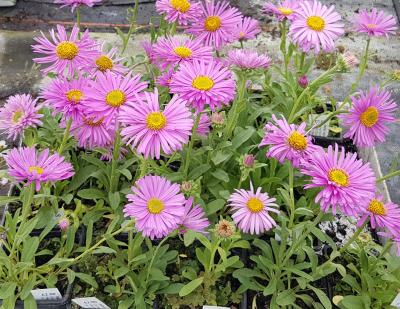
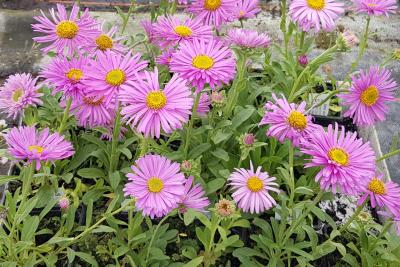
Clump forming perennial with green leaves. Height 25cm. Spread 45cn. Flowers from May to July. Herbaceous.
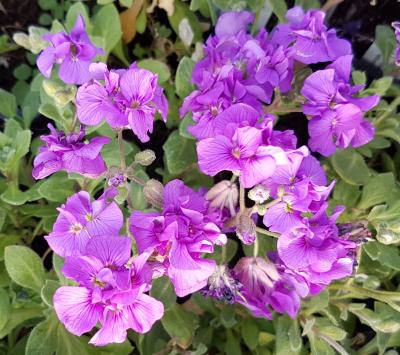
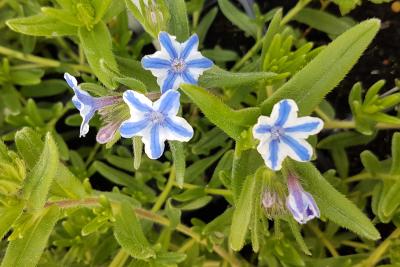
Beautiful double blue flowers on clean, green foliage and with a lovely dome forming habit. Prefers full sun, or partial shade with free-draining soil or compost. Ideal for rockeries, gravel gardens, walls and containers.
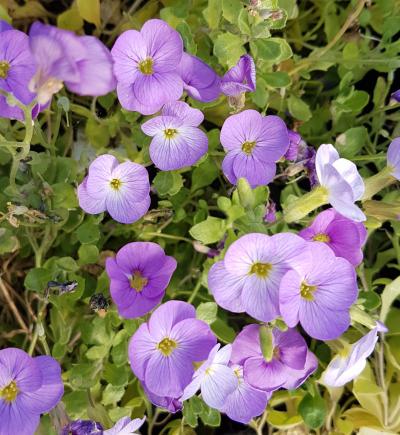
A fantastic new form of carpeting hardy plant that forms small mounds or blankets that become smothered with comparatively large flowers of the most unusual Baby Blue Blushed. Flowers through April to May. Ideal for rock gardens and containers, for trailing down walls, as ground cover on sunny banks or at the front of mixed or herbaceous borders.
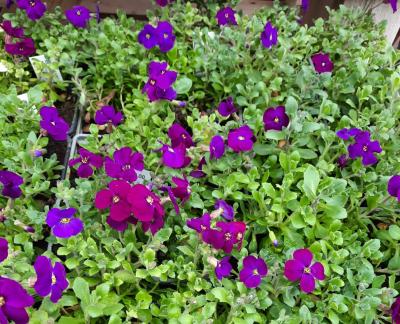
Compact, mat-forming, evergreen perennial with small, ovate to oblong, hairy, sometimes toothed, grey-green leaves and short racemes of four-petalled, deep purple-blue flowers in spring.
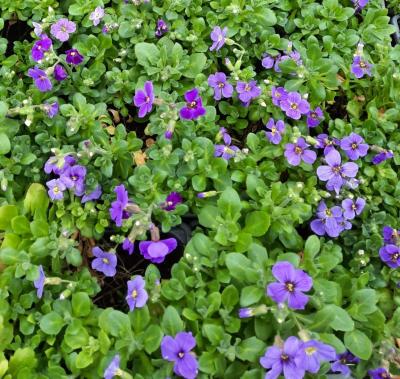
Compact, mat-forming, evergreen perennial with small, ovate to oblong, hairy, sometimes toothed, grey-green leaves and short racemes of four-petalled, deep purple-blue flowers in spring.
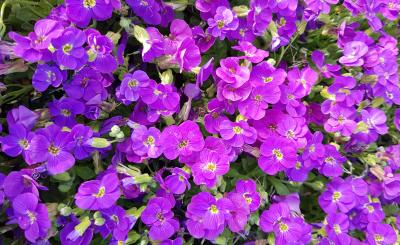
Mat-forming evergreen alpine with intense blue flowers. Height 10cm. Flowers from April to May. Evergreen. Hardy.
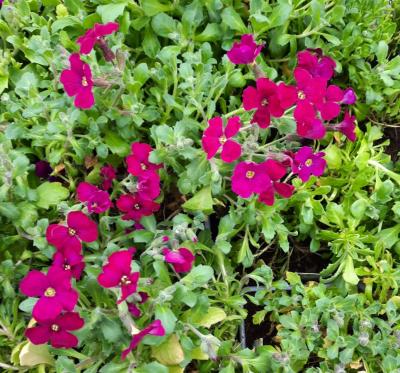
Mat-forming, evergreen alpine with intense red flowers. Height 10cm. Flowers from April to May. Evergreen. Hardy.
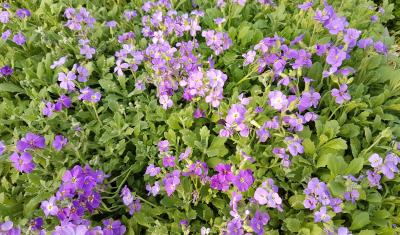
Mat-forming hardy evergreen alpine with green leaves, single rich deep lilac-blue flowers. Height 8cm. Vigorous cascading habit. Flowers from March to April.
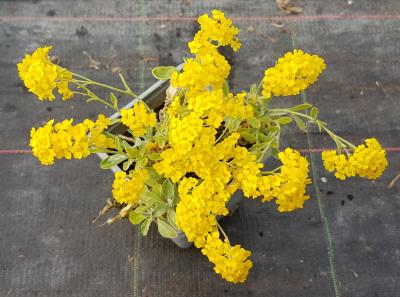
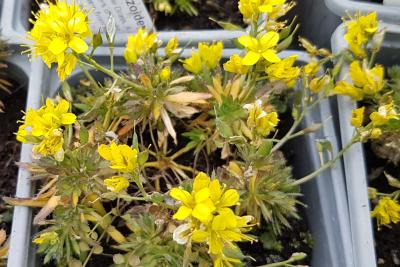
An evergreen mound forming perennial producing dense clusters of bright yellow flowers over mid green foliage.

Fairies Thimbles. Bellflower. Creeping rosette-forming perennial with heart-shaped toothed bright-green leaves. Attractive. Nodding bell-shaped, white to lavender-blue flowers. Height 8cm. Spread 30cm. Flowers from June to August. Semi-evergreen. Hardy.
Bellflower. Low growing alpine with dainty double light blue flowers from July to August. A very pretty small alpine.
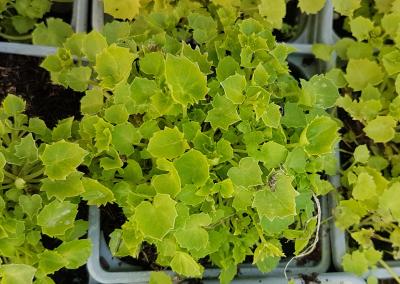
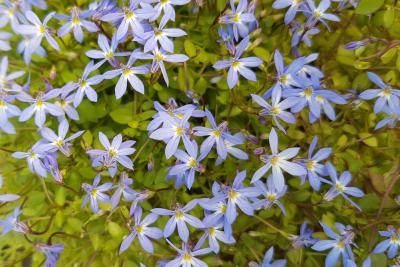
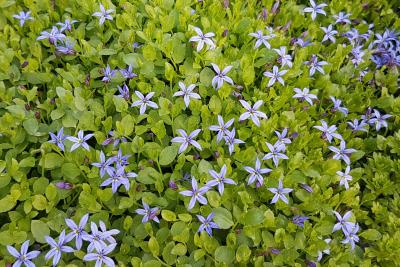
Adriatic Bellflower. Spreading perennial with heart-shaped, toothed, yellow leaves. Attractive star-shaped blue flowers. Height 5cm. Spread 30cm. Flowers from June to August. Semi-evergreen. Hardy.
A vigorous, ground covering variety that will quickly make a carpet that is studded with lots of bright violet-blue star flowers from spring to mid-summer. Easy to grow in most situations.
Dalmatian Bellflower. Mound-forming, evergreen with heart-shaped, mid-green leaves. Panicles of funnel-shaped purple flowers. Height 15cm. Spread 50cm. Flowers from June to August. Evergreen. Hardy.
Bellflower. A stunning Campanula from the owner of the national collection. It has a less invasive growth habit than is typical for this type of Campanula and has lilac pink flowers with lighter coloured centres which sparkle on the rich green creeping foliage. Prefers full sun or partial shade in free draining soil or compost.
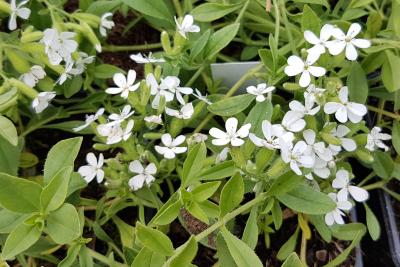
A herbaceous alpine perennial with pale green leaves with serrated edges. Bell-shaped, white flowers appear from late spring to summer. A real eye-catcher. Low-growing and fantastic as ground cover or in a pot on the balcony.

Dalmatian Bellflower. Mound-forming, evergreen with heart-shaped, mid-green leaves. Panicles of large trumpet-shaped deep blue flowers. Height 15cm. Spread 60cm. Flowers from June to September. Evergreen. Hardy.
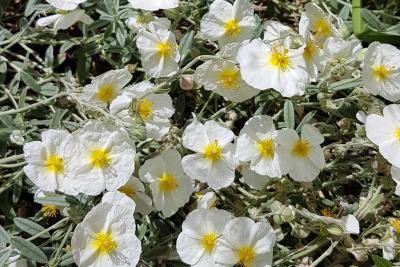
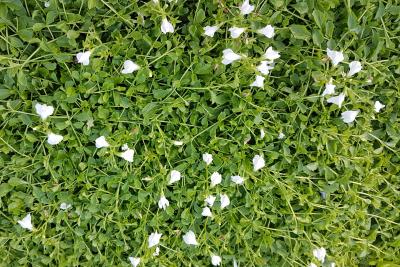
Snow-in-summer. Rampant spreading low alpine with silvery foliage and masses of star-shaped white flowers. Height 5-8cm. Spread Indefinite. Flowers from April to June. Evergreen. Hardy.
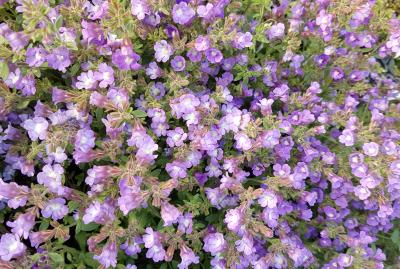
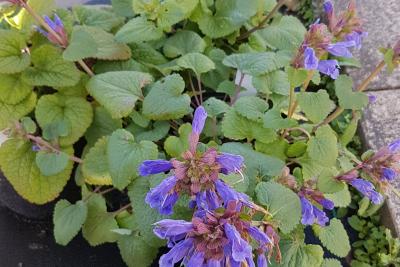
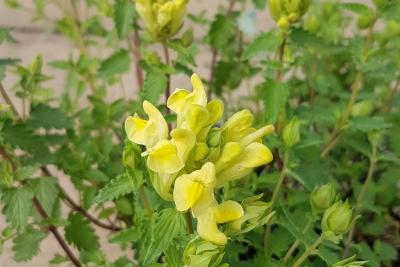
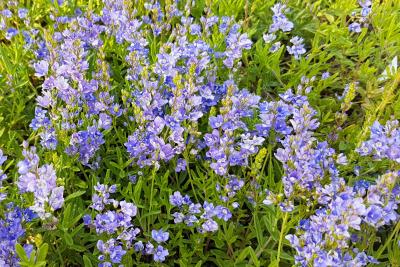
Dwarf Snapdragon. An erect perennial with many stems of blue flowers in summer. Height 50cm. Spread 30cm. Flowers from June to August. Hardy.
A superstar grower whether kept indoors as a potted plant or grown outside as a dense, mounding shrub. Its shiny leaves are variegated with green and white streaks, with a pink margin in bright sun.
A superstar grower whether kept indoors as a potted plant or grown outside as a dense, mounding shrub. Its shiny leaves are variegated with green and white streaks, with a pink margin in bright sun.
A bushy fleshy stemmed succulent with varigated grey-green leaves often tinted with red and star-shaped white or pink flowers.
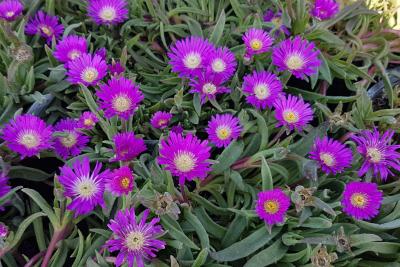
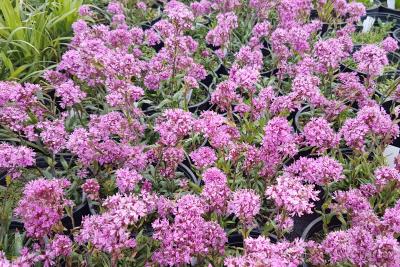
Tight, weed suppressing mat of succulent, grey-green to green, evergreen foliage which takes on purple tones in winter. The large blossoms which measure 1.5-2" across form a brilliant blanket of magenta to fuchsia pink all summer long and even into autumn in some climates.
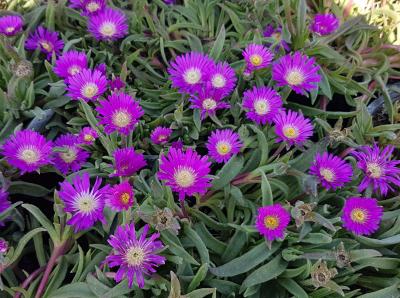
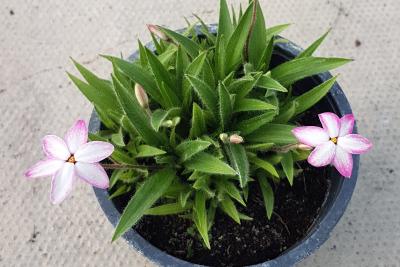
Dwarf perennial plant, native to South Africa. It forms a dense lawn with abundant, long-lasting flowering. It will reach sizes of 60 cm in diameter and approximately 10-15 cm tall, with possibly the largest flowers of its type.
Dinetta is a small cushion-forming perennial with linear, grey-green evergreen leaves and double purple flowers in late spring through autumn.
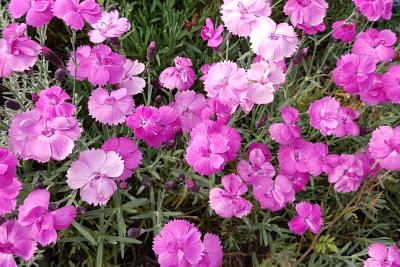
Delightful double rose-pink fragrant flowers provide a lovely burst of colour in early spring followed by continual blooming until autumn. The mounded habit keeps the plants neat and virtually maintenance free in the garden.
Delightful double rose-pink fragrant flowers provide a lovely burst of colour in early spring followed by continual blooming until autumn. The mounded habit keeps the plants neat and virtually maintenance free in the garden.
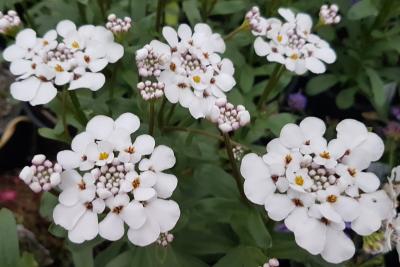
A wonderful landscape border variety that provides a burst of white blooms with red eyes in Spring and continual blooming in Summer and Fall. Displays tidy mounds of strong, silvery-blue foliage. Idea & Tips: Plant in a sunny border or rock-garden location.
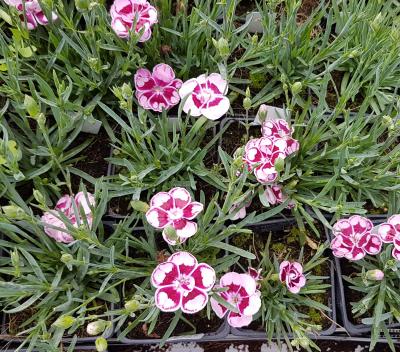
A tufted perennial with mid-green leaves. Single. deeply scented pink flowers tinged with red. Height 60cm. Spread 23cm.
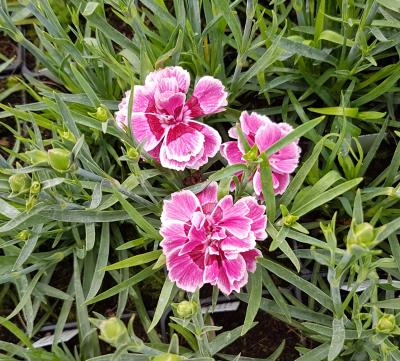
Loads of stunning pink flowers edged in white over a dense cushion of silvery green foliage. Great fragrance for bouquets and boutonnieres. Hardy and weather resistant for a spectacular early season display. Perfect in borders or patio tubs.
A perfume to pack a punch, your garden will be filled with sumptuous scent. Although compact, the array of large, apricot double blooms produced throughout the summer must be seen to be believed. Excellent as cut flowers and attractive to bees and butterflies in borders and containers.
A tufted perennial with mid-green leaves. Single, deeply scented pink flowers. Height 60cm. Spread 23cm. No growth regulator needed.
Sumptuous and highly fragrant white and deep purple flowers from summer through to autumn, attracting bees and butterflies to your garden. Foliage is also aromatic and flowers can be cut for the house. It is hardy.
Evergreen, mat-forming perennial. Many small upward facing scarlet flowers borne singly above tiny oblong pointed leaves. Height 10-15cm Spread 20cm. Full sun. well drained soil.
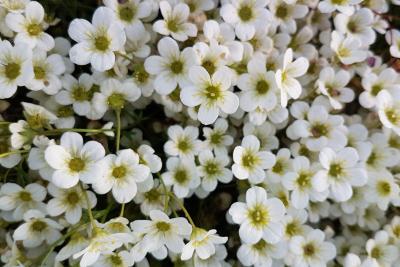
Plants form a low, spreading mound of light green leaves, studded with small white flowers in late spring, then on and off through the summer. Trim back lightly after first flowering. Good choice for poor soils, and hot, sunny sites. Also excellent in tubs and mixed containers.
Alpine that forms dense clumps of steely grey-blue foliage. Delightful flowers with neatly divided petals, each with white margins, intense maroon inner, and “brush-strokes” of fuchsia pink at their centre. Main flowering period in spring, but will flower sporadically through summer, especially if cut and encouraged to re-bloom.
Mon - Fri 8:00am - 5:00pm
Sat & Sun 9:00am - 5:00pm

Any questions? Email us or give us a call on 01904 400092.